


Six New Aperitifs Worth Knowing
Summer is the season aperitif producers seem to be making for — low-octane, food-friendly, built for soda water and afternoon light. This batch covers a lot of ground: a Long Island peach amaro fortified with peach leaf distillate, two Basque-Spanish bottles (one Aperol alternative, one artisanal sweet vermouth), a Catalan red vermouth made with 51 botanicals, a Chicago apple aperitif rooted in heirloom cider, and a Piedmontese vino chinato built on young Barbaresco. All of them work over ice. Most of them work in a spritz. A few are genuinely unusual.
Everything below links to the product page.
In the Shop This Week
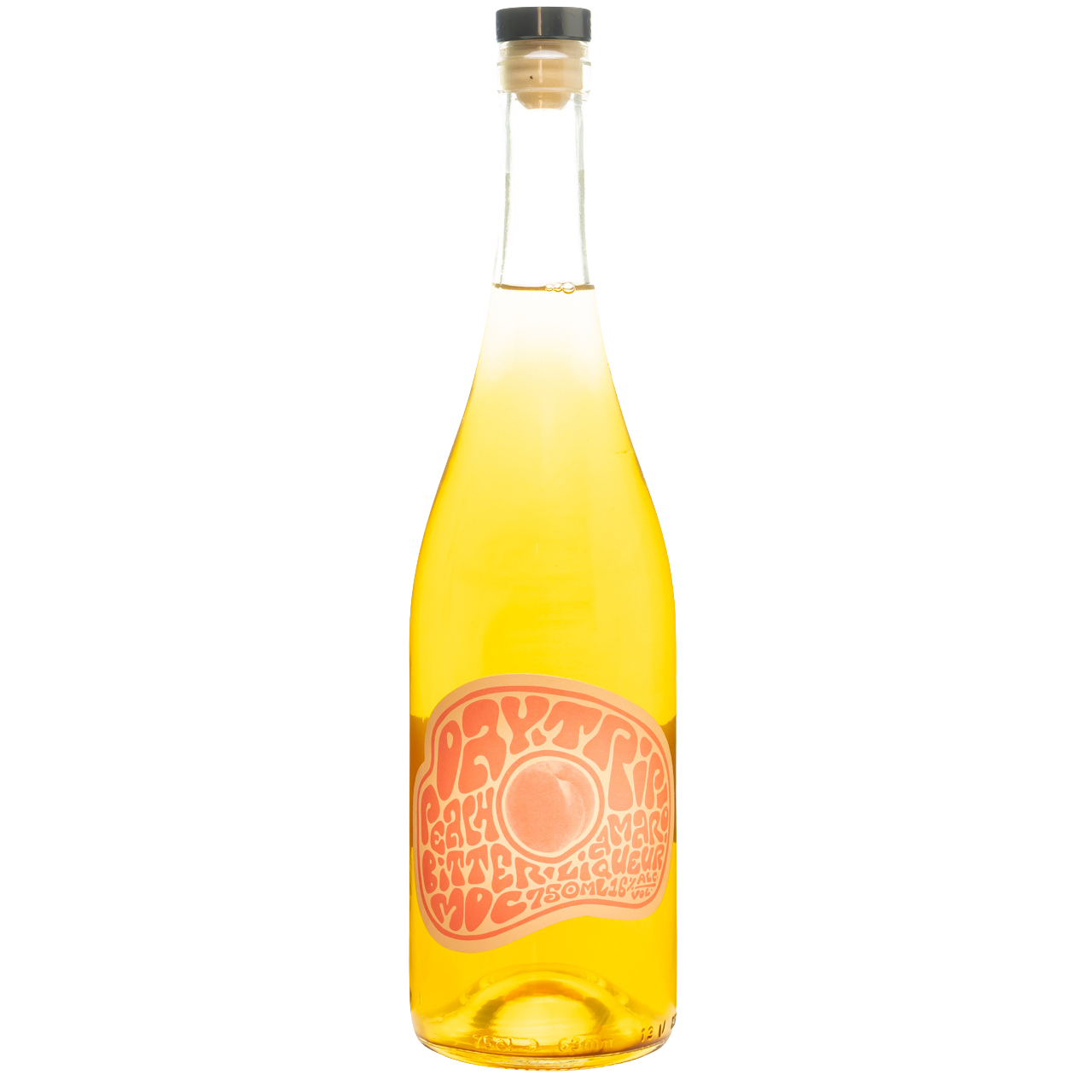 |
Day Trip Peach AmaroMatchbook Distillery (Long Island) starts with lightly blemished Briermere farm peaches, ferments them into an off-dry peach wine, then fortifies with peach leaf distillate — which is exactly as compelling as it sounds. Elderflower distillate, quassia bark, rose petals, and pink peppercorn round it out, and the whole thing gets a light sweetening. The result is categorized as a vino amaro: wine-based, low-proof, genuinely fruit-forward without being sweet. Drink it spritzed with soda, splashed with sparkling wine, or just over ice. The peach leaf note in particular is savory-floral in a way you don't get from juice or extract. |
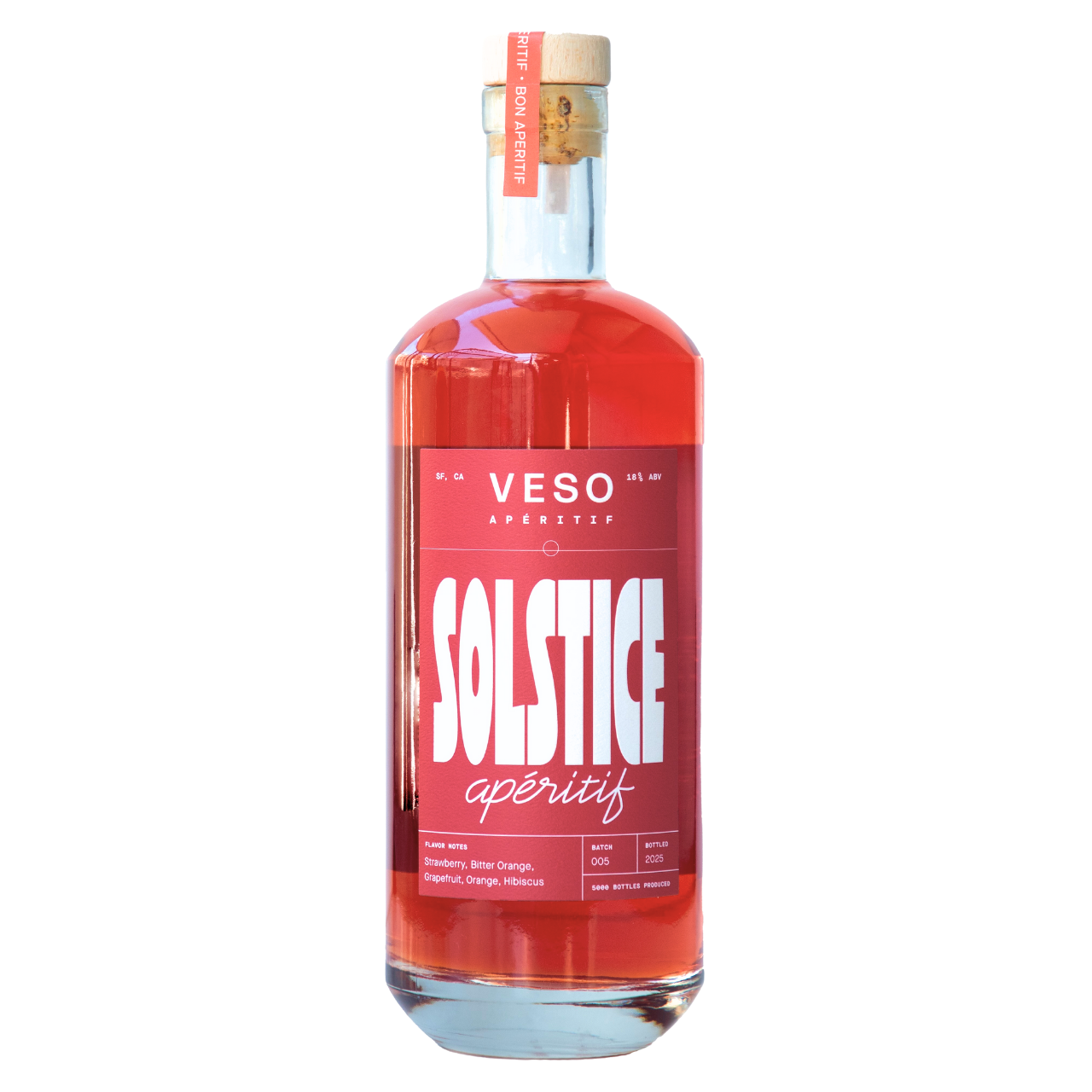 |
Veso Solstice AperitifA wine-based aperitif built on real strawberries, oranges, and grapefruit, with hibiscus providing the vivid ruby color. The flavor profile lands somewhere between a strawberry lemonade popsicle and a very clean sangria: bright, tart, citrus-forward, with orange blossom honey and orange zest in the background and a bitterness that stays balanced rather than aggressive. It's made to be approachable without being simple. Works on its own over ice, in a spritz, or as a lower-ABV sub in cocktails calling for a fruit-forward aperitivo. |
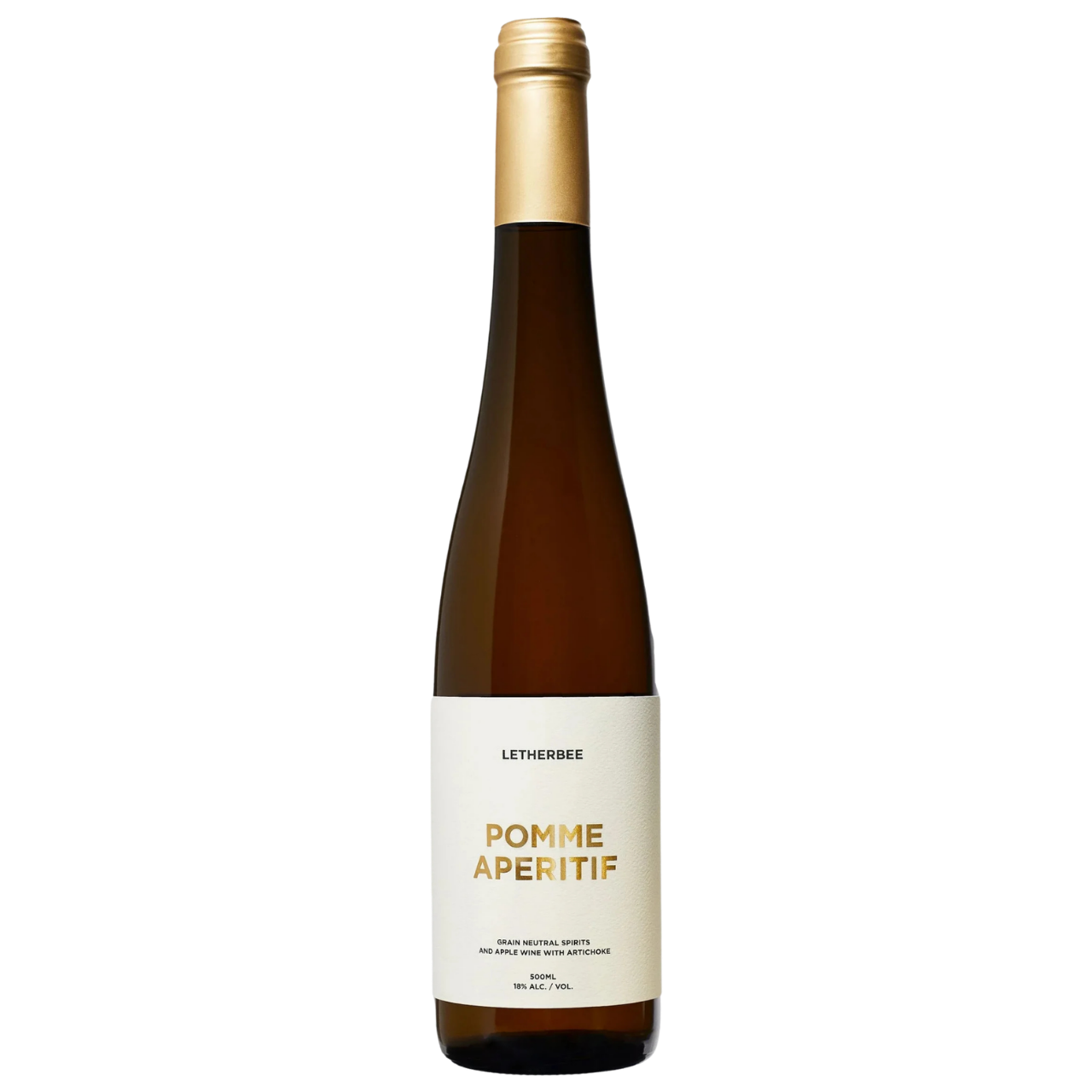 |
Letherbee Pomme AperitifA collaboration between Chicago's Letherbee Distillers and Virtue Cider — Virtue's heirloom apple wine from Michigan's Fennville region gets fortified with Letherbee's neutral grain spirit and artichoke botanical blend. The artichoke echoes apple peel tannins and a faint earthy, orchard-soil quality without pulling the whole thing into bitter territory. Rich apple and tropical fruit notes come through clearly, and the herbaceous fortification lifts the mid-palate without taking over. Good with food — the articoke-apple combination has a natural affinity for cheese, charcuterie, anything fatty. Over ice or in a spritz. |
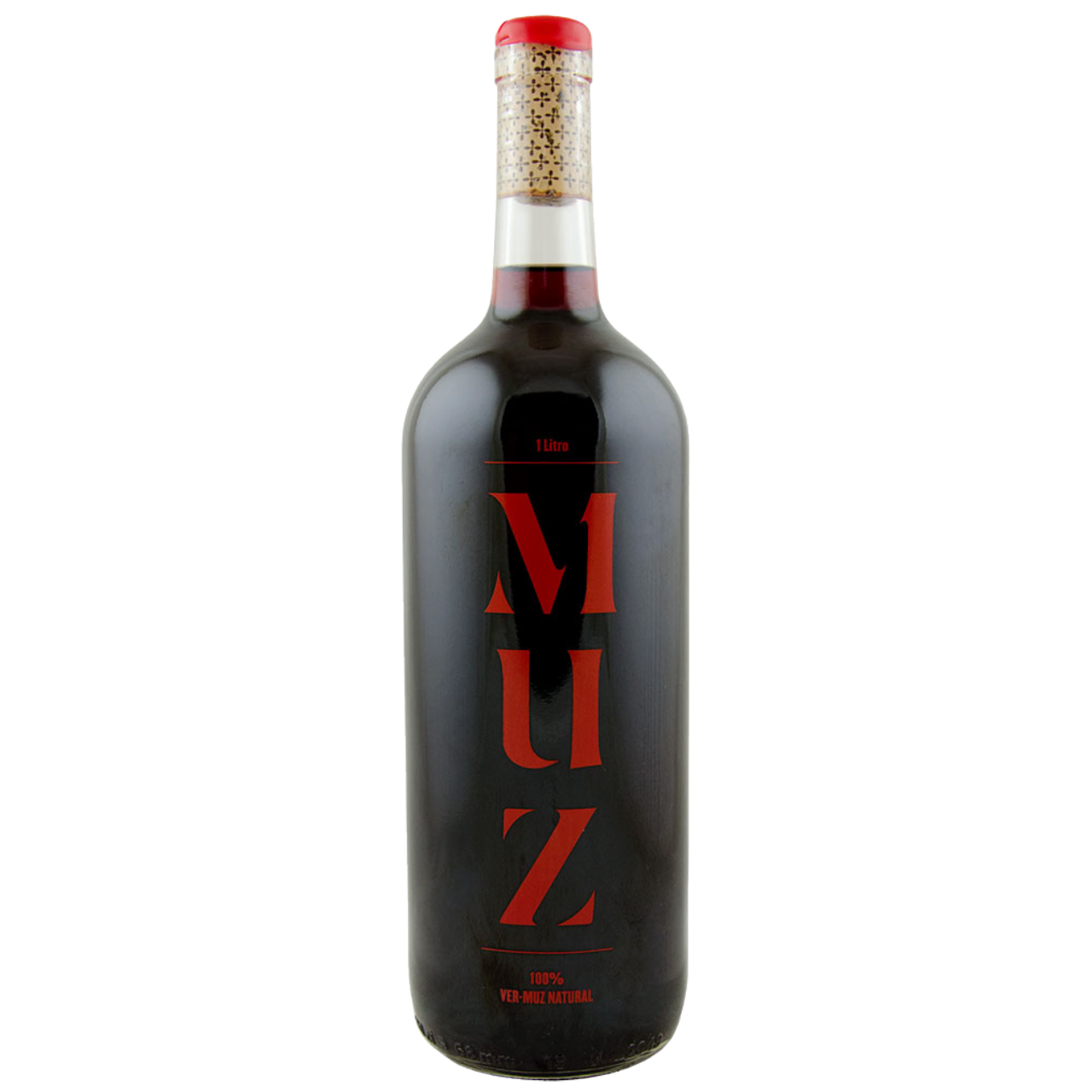 |
Partida Creus MUZ Red VermouthFrom Partida Creus — a natural wine producer in the Alt Penedès region of Catalunya — MUZ is 100% organic and made without additives or sulfites. It blends young red wine, aged red wine, and oxidized white wine, then adds 51 botanicals. The result sits on the savory-bitter end of the vermouth spectrum: raspberry, cedar, oregano, elderflower, and black pepper, with a high-acid, herbal finish that's drier than most Spanish vermouths. Served over ice with a twist in Catalonia. Also a strong choice for a more interesting Negroni or Manhattan where you want the vermouth to do some talking. |
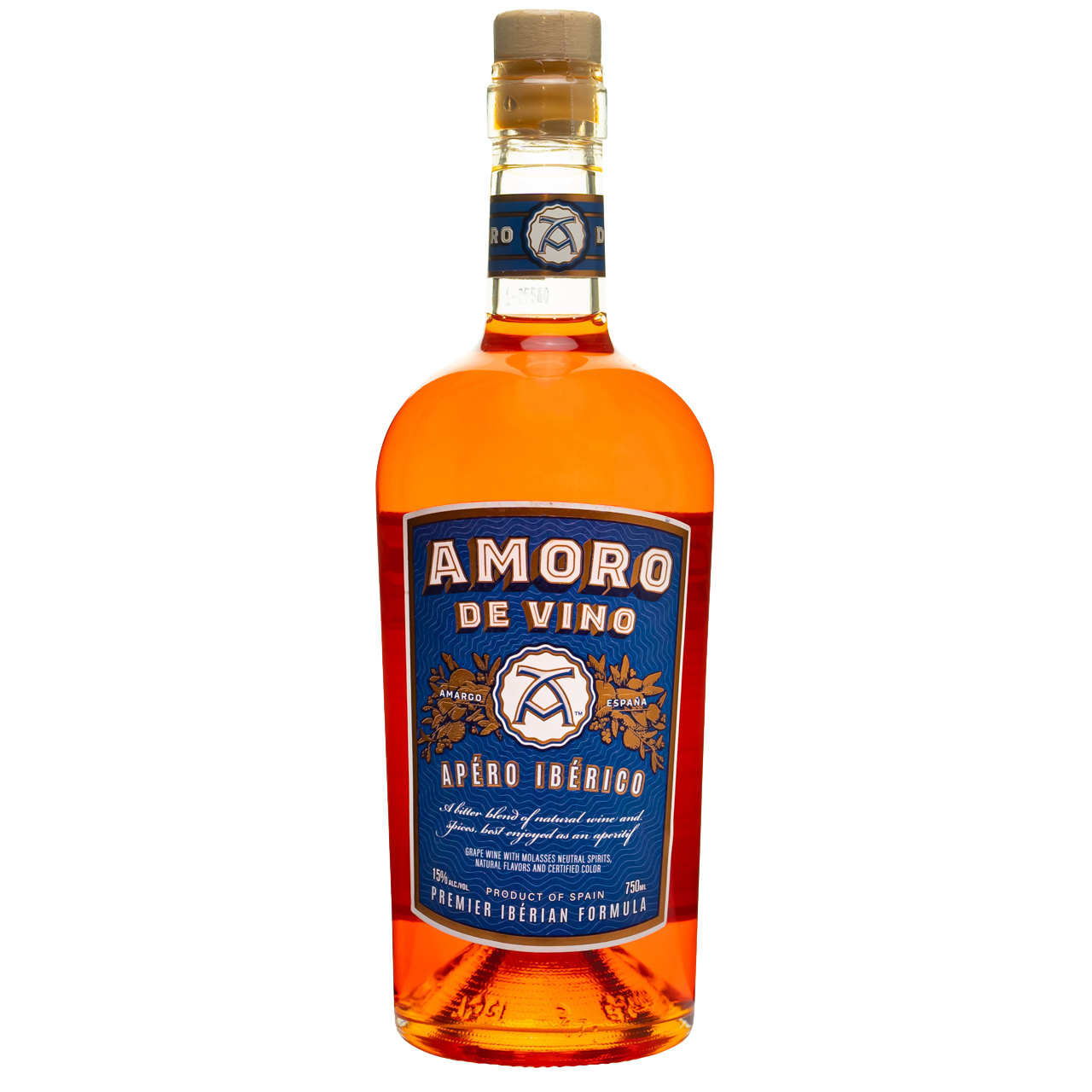 |
Amoro de Vino Apéro IbéricoA Basque-Spanish aperitif made on a 100% Viura wine base sourced from high-elevation Rioja Alavesa vineyards. The botanical list is substantial: Gentian root, cinchona bark, beet root, bitter citrus peels, elderberry, rhubarb, and saffron. The flavor reads as bright citrus up front, bitter herbs in the middle, and a subtle sweet-earthy finish from the beet root and elderberry. Positioned as a natural alternative to Aperol — similar spritz-ready drinkability, but with more botanical complexity and less synthetic sweetness. The saffron is subtle but present, adding a faint floral warmth that distinguishes it. |
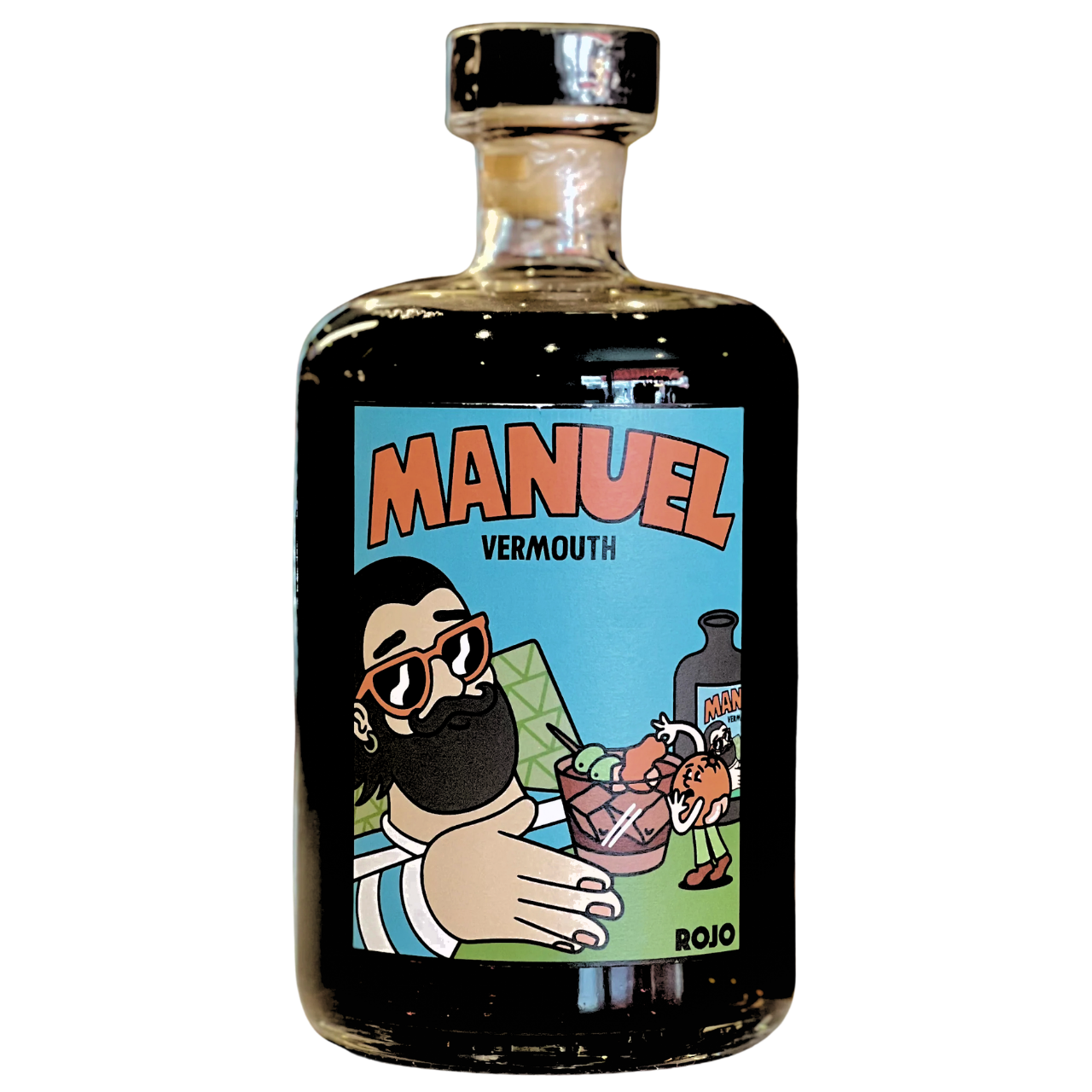 |
Manuel Rojo Sweet VermouthMade in collaboration with the oldest Basque distillery, located in Amurrio in the Álava province of Spain. The nose leads with wormwood and clove, followed by balsamic notes and sweet spice — cinnamon, cardamom — then a background layer of orange peel and Mediterranean herbs. On the palate the entry is smooth and the sweetness is calibrated: present but not dominant, giving way to a persistent, well-defined bitterness on the finish. It's a more serious sweet vermouth than most of what's on the market, with real depth. Good straight over ice with an orange twist, or as the vermouth component in any stirred cocktail where you want the bottle to show up. |
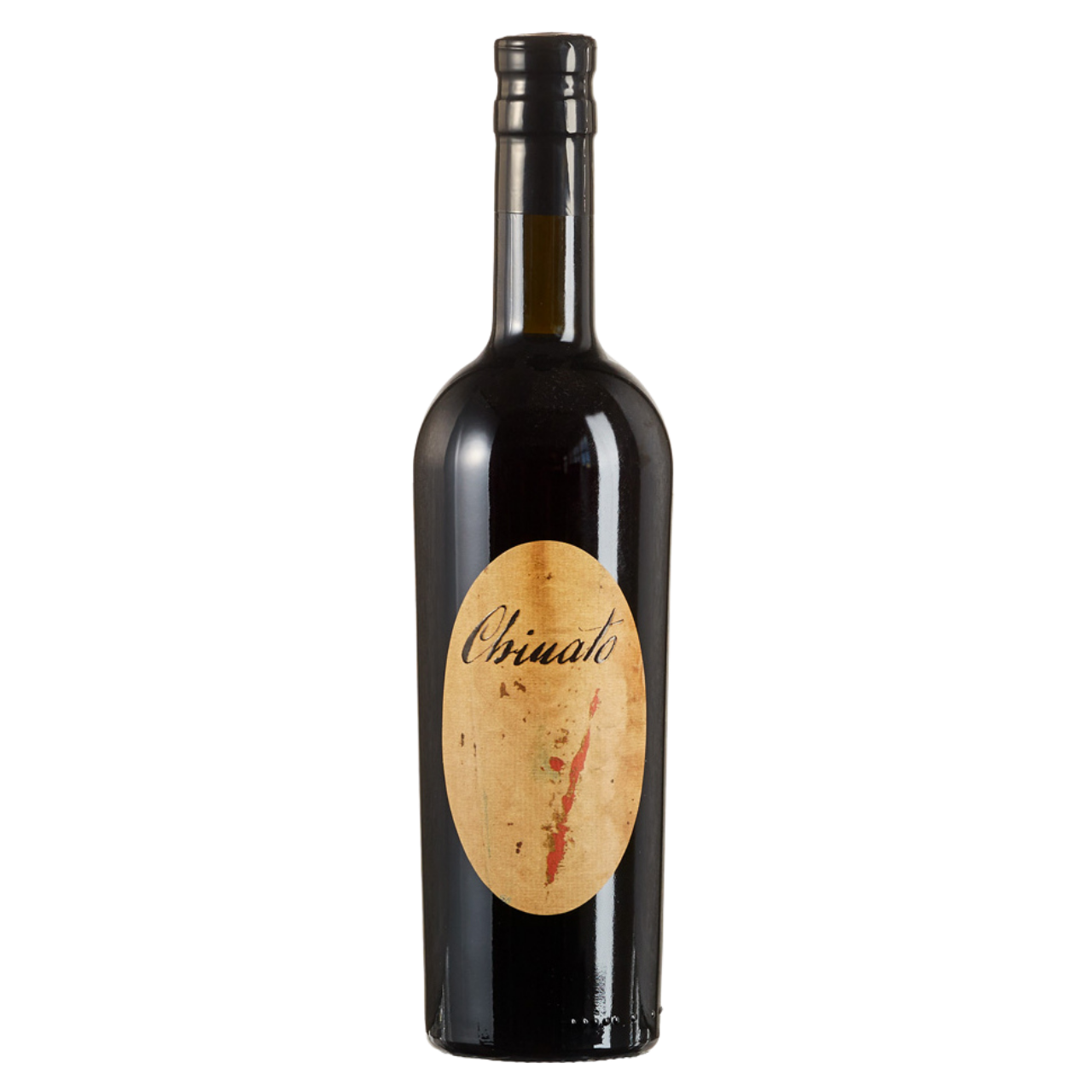 |
Vergano Vino ChinatoVino chinato is a Piedmontese category: Nebbiolo-based wine fortified and aromatized with cinchona bark (china) and spices. Vergano's version uses young Barbaresco as the base — already structured and tannin-present — then builds a concia (botanical extract) through 20–30 days of maceration in beet-sugar spirit. Key ingredients beyond cinchona: ginseng, rhubarb, cinnamon, cloves, cardamom, and bay leaves. The result is complex, bittersweet, and tea-like, with the Nebbiolo base providing a dried-rose and tar underpinning you don't get in other categories. Vino chinato is traditionally served as a digestif at room temperature, but it also holds up well over a large ice cube. Worth knowing if you like Barolo Chinato-style pours. |


